
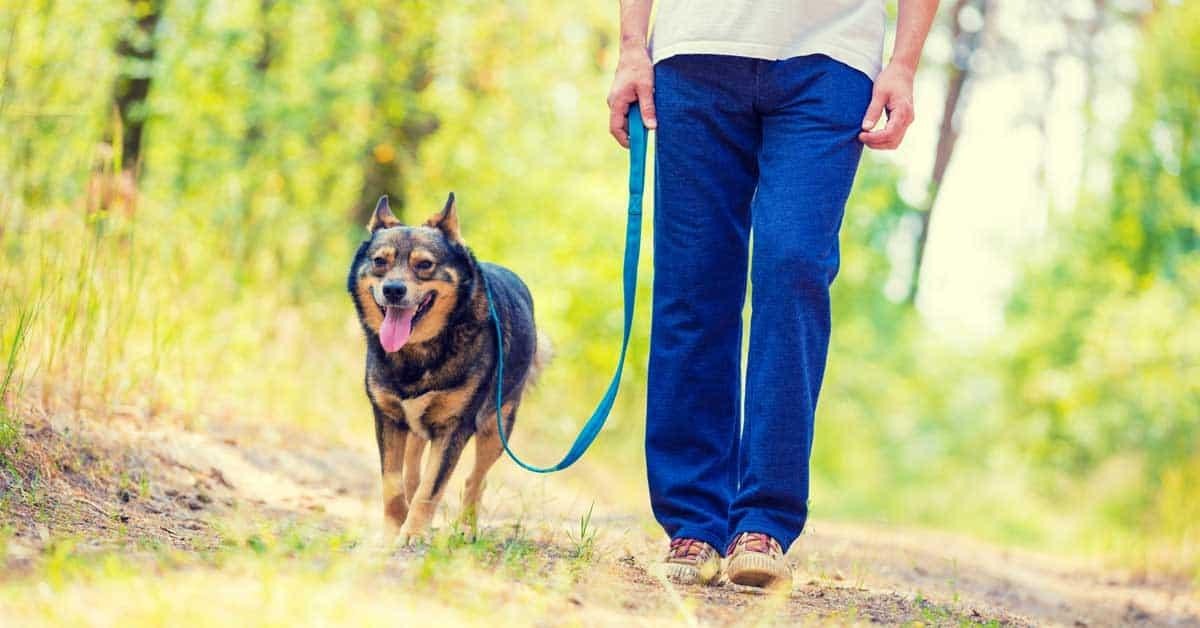
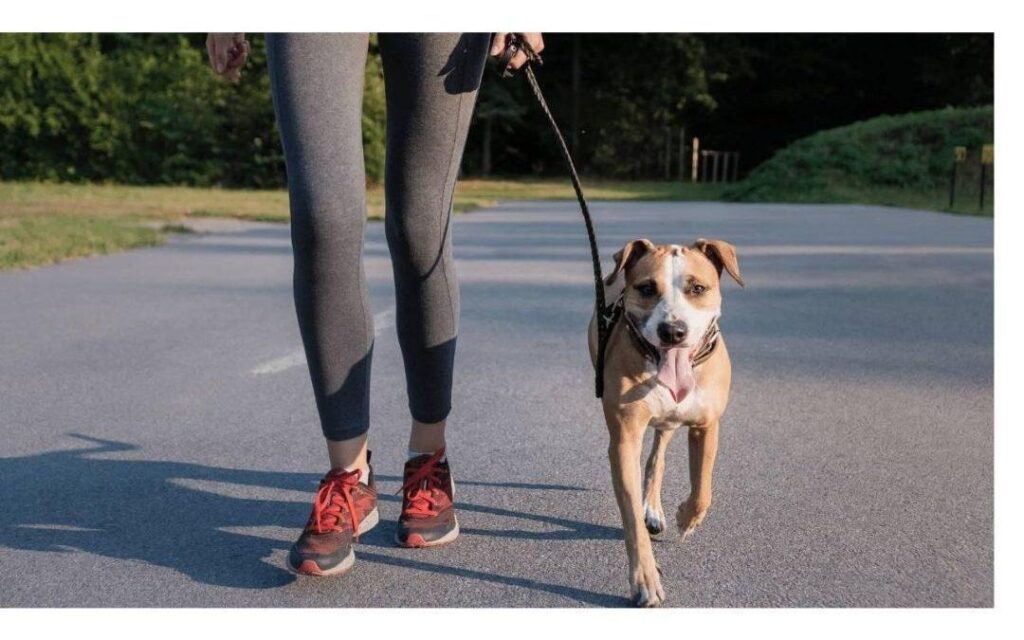
Walking your dog should feel like quality time—not a full-body workout or a tug-of-war competition. Yet for many pet parents, leash pulling is one of the most common (and frustrating!) challenges.
The good news? Loose-leash walking is a skill—and like any skill, it can be learned, practiced, and improved. From our years of experience walking dogs of all ages, sizes, and personalities, here are our professional tips to help turn daily walks into calmer, safer, and more enjoyable outings.
Why Loose-Leash Walking Matters (It’s Not Just About Manners)
Loose-leash walking isn’t about perfection—it’s about communication, safety, and trust.
When your dog walks calmly by your side:
- Walks are safer for both of you (no sudden lunges or falls)
- Your dog is more relaxed and better able to take in their environment
- Walks become enriching instead of overstimulating
- You’re reinforcing focus and impulse control—skills that carry over into daily life
Simply put: a calmer walk leads to a calmer dog.
Start with the Right Expectations
Loose-leash walking takes time and consistency. Dogs don’t naturally know what we expect from a leash—it’s a human invention, after all!
A few mindset shifts that help:
- Short, successful walks > long, chaotic ones
- Progress is not linear (and that’s okay!)
- Every walk is a training opportunity—even the “messy” ones
Celebrate the small wins. They add up.
Use the Right Gear (It Makes a Big Difference)
While no tool replaces training, the right equipment can make learning much easier.
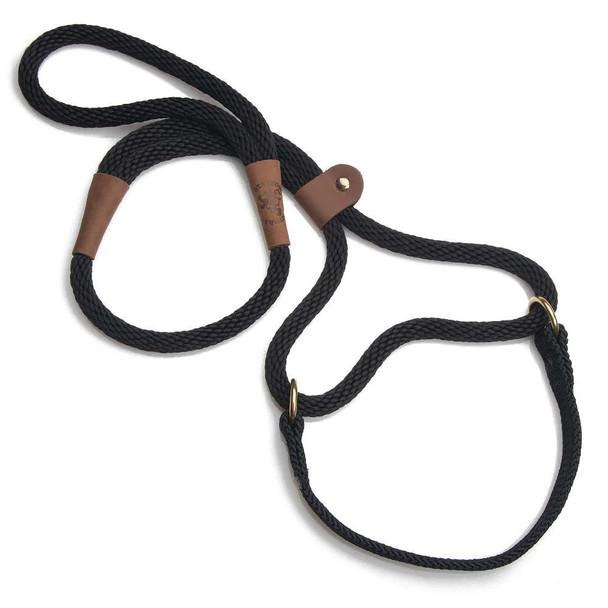
Professional favorites include:
- Front-clip or no-pull harnesses for better control and redirection
- Standard 4–6 ft leashes (skip retractables during training)
- High-value treats for reinforcing calm behavior
Comfort and fit matter—gear should support your dog, not restrict or frustrate them.
Reinforce What You Do Want
Dogs repeat behaviors that are rewarded. If pulling gets them where they want to go, they’ll keep pulling.
Instead:
- Reward your dog when the leash is slack
- Mark calm behavior with praise or treats
- Stop moving forward when pulling happens (consistency is key!)
Think of the walk as a conversation, not a command.
Practice Focus Before You Step Outside
If your dog explodes with excitement the moment the leash comes out, start there.
Helpful pre-walk routines:
- Ask for a sit before clipping the leash
- Pause at doorways until calm
- Begin the walk only when energy levels are manageable
A calm start sets the tone for the entire walk.
Remember: Mental Exercise Counts Too
Many dogs pull because they’re overstimulated—or under-stimulated.
Incorporate:
- Sniff breaks (sniffing is calming!)
- Structured routes with familiar expectations
- Consistent walk schedules for predictability
Loose-leash walking improves dramatically when dogs feel fulfilled, not rushed.
How a Professional Walking Team Helps
One of the biggest advantages of professional dog walking is consistency. Dogs learn faster when expectations are clear and reinforced the same way, every time.
Our team focuses on:
- Calm leash handling
- Reading dog body language
- Reinforcing polite walking habits
- Adjusting pace and routes to each dog’s needs
We don’t just walk dogs—we help shape positive walking experiences that support long-term behavior and confidence.
Final Thought: Progress Over Perfection
Loose-leash walking isn’t about having a “perfect” dog. It’s about building a partnership where walks feel safe, enriching, and enjoyable for both ends of the leash.
With patience, practice, and the right support, those peaceful walks are absolutely within reach. 🐶✨